

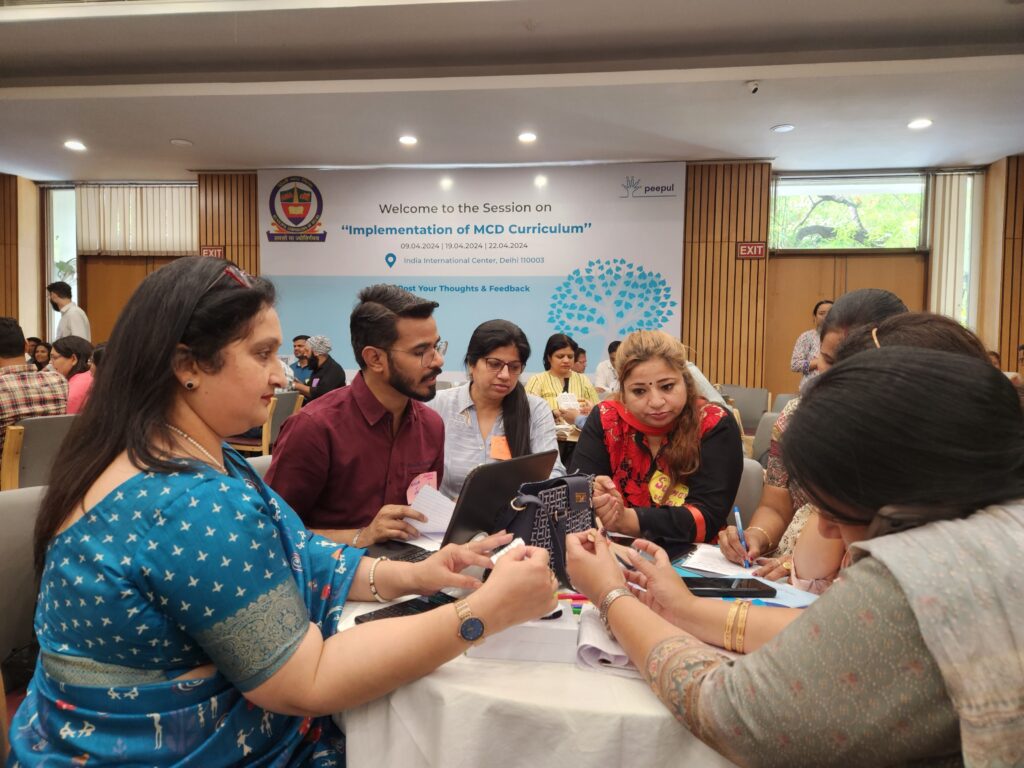
Organisations working on teacher capacity building know that training workshops are only one part of the process. Without support to transfer learning from training rooms to classrooms, in-service training hours…
Organisations working on teacher capacity building know that training workshops are only one part of the process. Without support to transfer learning from training rooms to classrooms, in-service training hours…
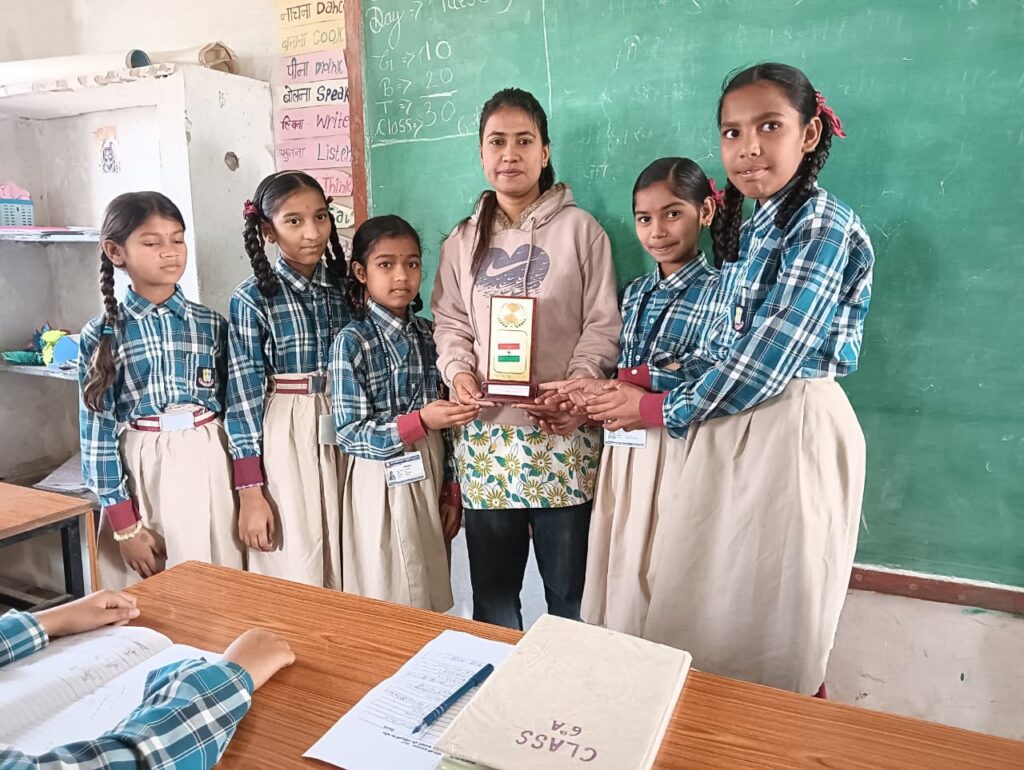
A Teacher Who Asked, “What’s in a Name?” and Let Her Work Answer In the villages around Chhaigaonmakhan, a child’s first words are rarely in English. They are in Nimadi,…
A few years ago, a corporate partner asked us a fair question: if we adopt a school today, what happens to it in five years if we step back? It…

A little child who is full of excitement, stepping into a classroom for the very first time, is ready to learn everything! Now, imagine that same child, years down the…

Imagine a student named Ravi in Grade 6. He spends hours staring at his math homework. Not because the concept is hard, but because he still struggles with simple multiplication….

Almost every child is excited about summer break. For them, it means fun, relaxation, and a break from routine. However, what if we tell you that for millions of children…
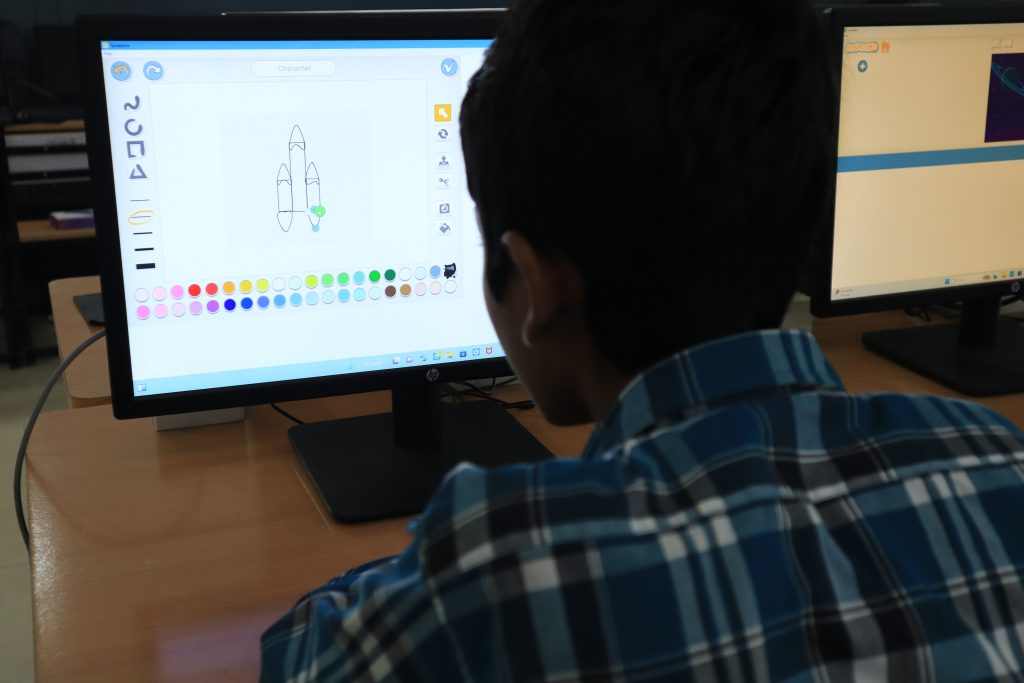
Artificial Intelligence is no longer a distant concept; it is rapidly becoming part of everyday learning. From lesson planning to personalised assessments, AI in Indian classrooms is set to redefine…
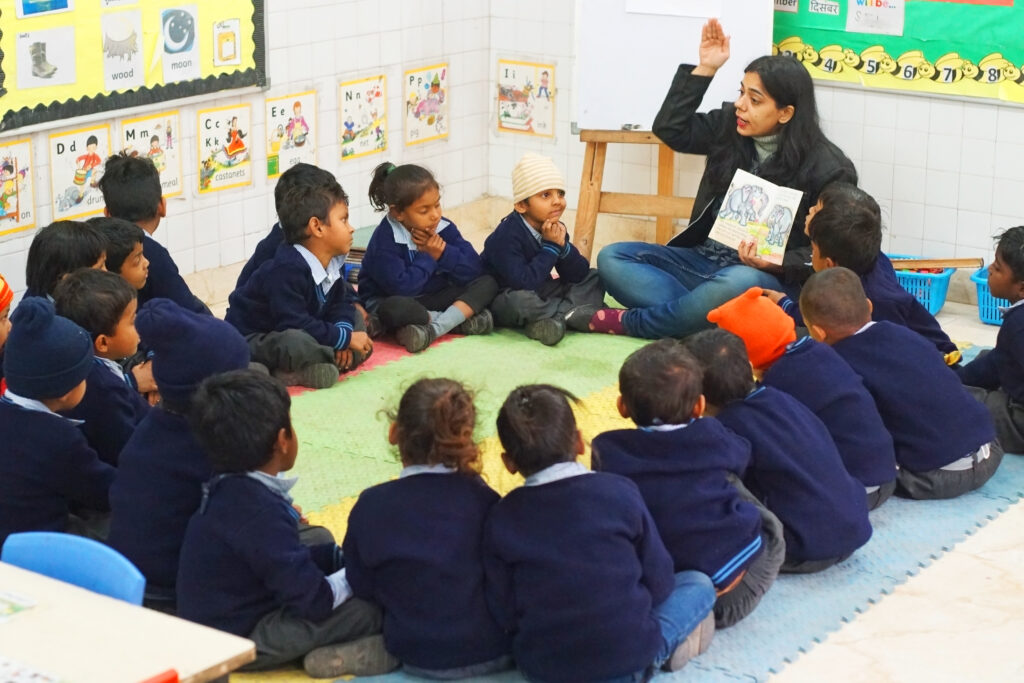
Maths has always seemed like this huge mountain students have to climb – full of tricky numbers and scary equations. What if we could flip that around? Imagine if maths…
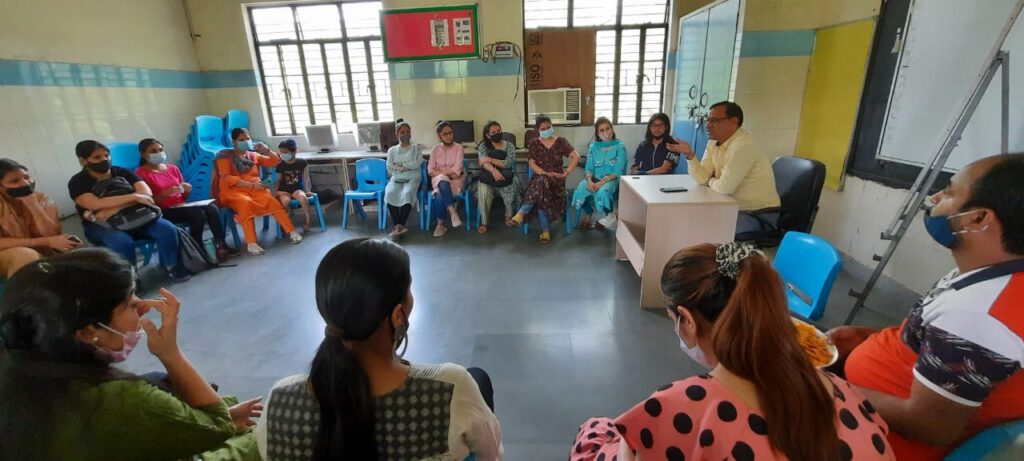
Education underpins a strong community, and public schools make a big difference in building our future. Yet, changing education for the better happens best when we come together. This is…
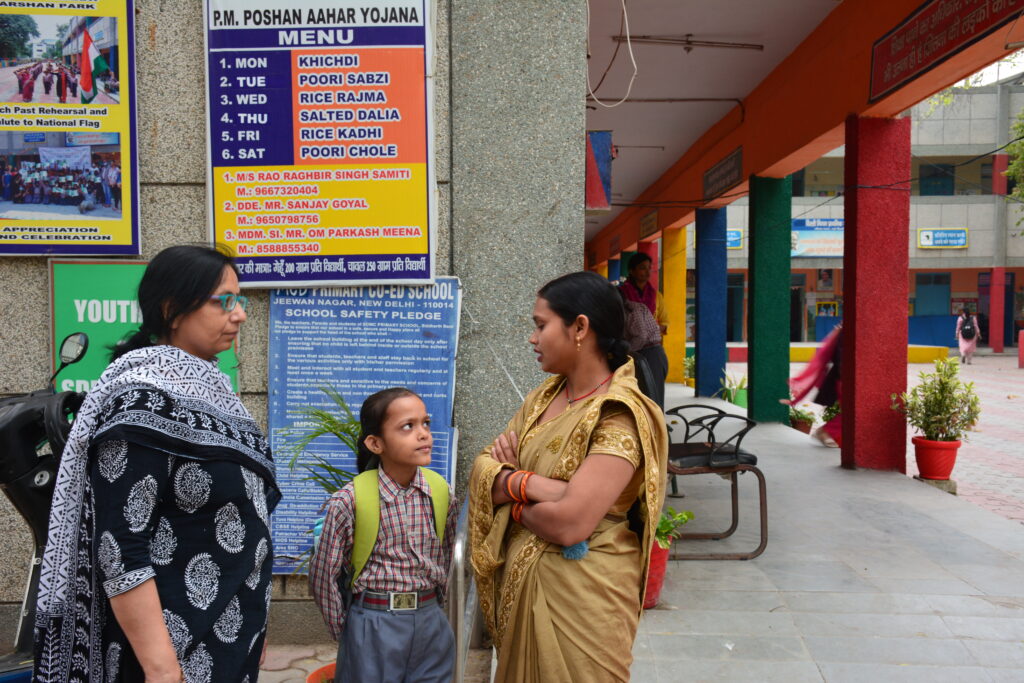
Before a child steps into the classroom, learning has already begun. Education often begins for the child without textbooks and teachers, from a mother who often didn’t get the opportunity…
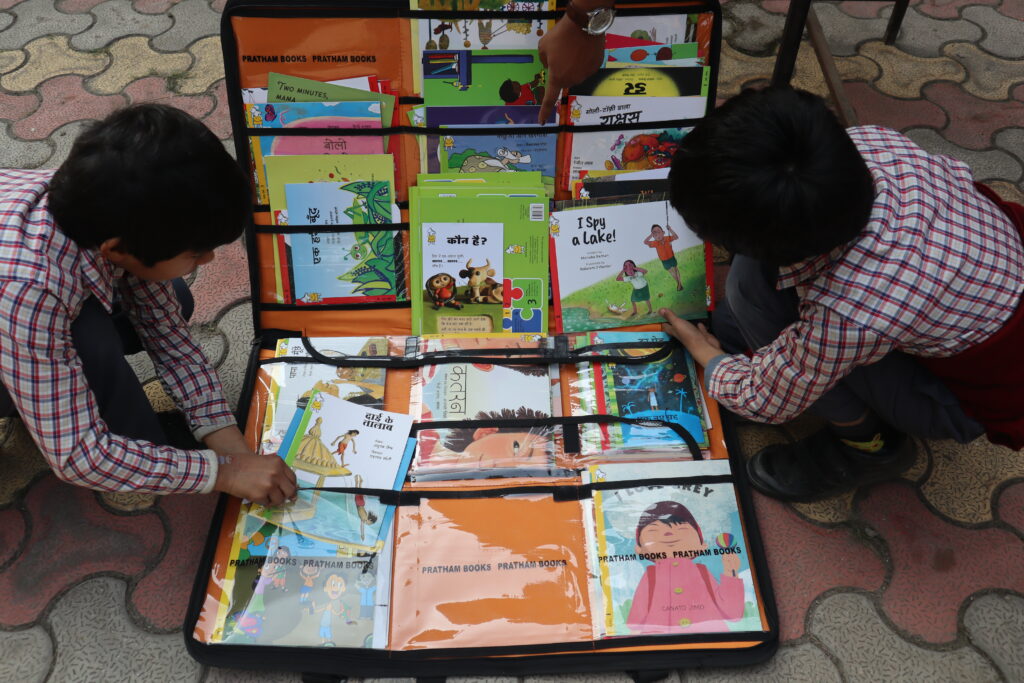
In many schools, learning is often limited to textbooks, tests, and routines. While this structure is familiar, it can restrict curiosity and deeper understanding. Encouraging children to read beyond textbooks…
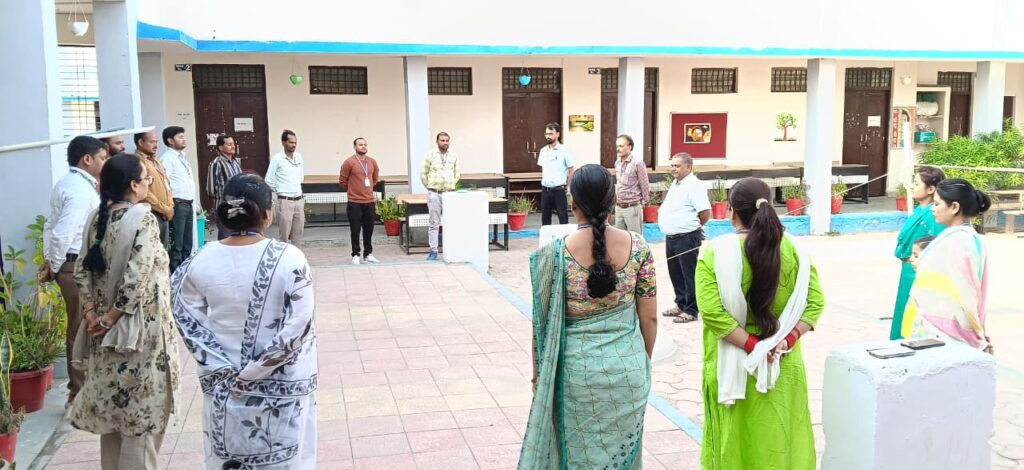
At Sandipani Vidyalay (SV) Gairatganj, the hallways were busy, but the staff room was quiet. With a large team of educators, communication had become purely functional. Teachers were working in silos, rushing from…
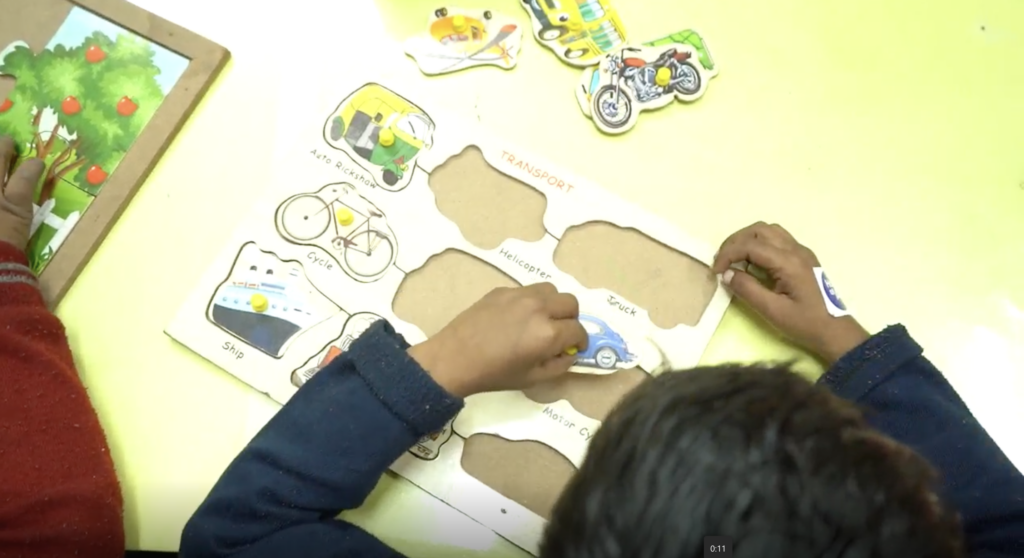
On World Autism Awareness Day, observed every year on April 2, we are reminded of the importance of understanding, acceptance, and equal opportunities for children on the autism spectrum. This day encourages…
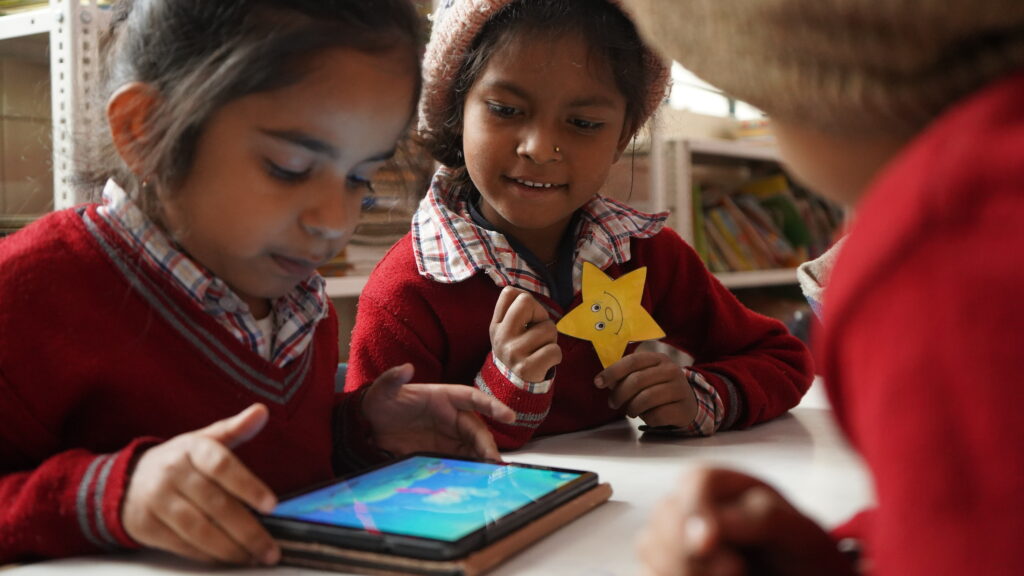
Every March, many of us scramble to organise our tax-saving investments before the financial year closes. Insurance premiums, PPF deposits, ELSS funds: the usual set. But there is one provision…
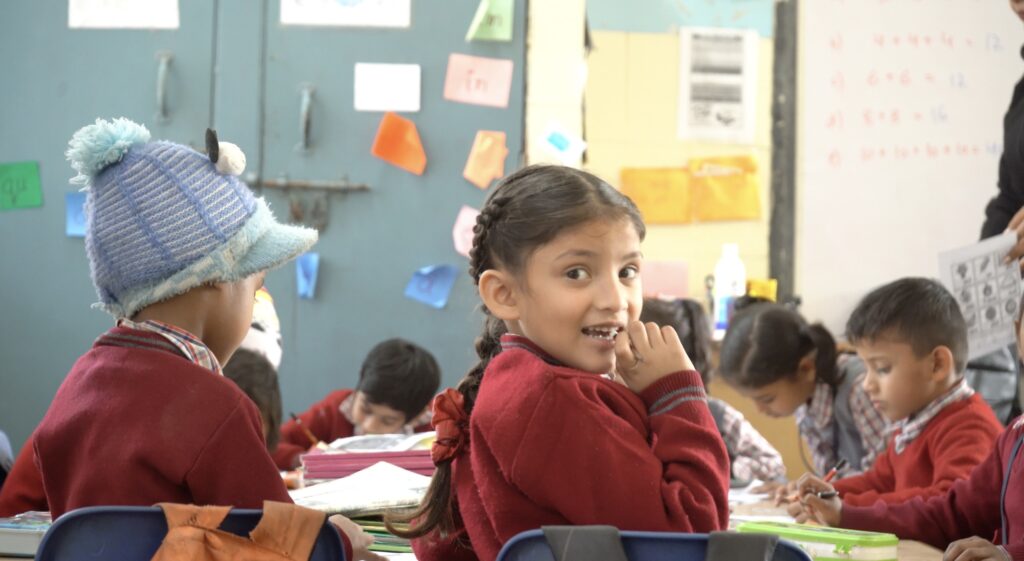
Meet 5 year old Shanvi, a student of MCD Co-Ed Primary School, Lajpat Nagar 3, New Delhi. Bubbly and cheerful, Shanvi always comes to school with a smile. But back…

For nine years, Suneeta Mate believed she had the art of teaching figured out. As a senior teacher, her mission was clear: finish the syllabus, ensure the students memorised the…

In a bustling Delhi MCD classroom, Ms. Monika, a Grade 1 teacher, begins her day much like thousands of other teachers: constantly multitasking while managing over 60 eager faces. All while striving to ensure her students learn effectively. Despite these…

Have you ever encountered a quote so inspiring, so meaningful that the way you see the world changed? Words can ignite a flame in a child’s mind and allow communities to cross…

Children’s Day is celebrated on 14th November each year, which is often about balloons, cultural programs, or the occasional treats. However, it is also a reminder that every child deserves…


Government schools are the true foundation of India’s future, providing crucial education to millions of children. Yet many of these vital institutions face deep challenges — from limited resources to…
Learn how to deliver engaging lesson plans that capture students' attention.
Understand the different ways children learn.
Adapt activities to fit various learning levels.
Movement-based learning – Children love moving around. Imagine this – children learning about addition using a huge board of Snakes and Ladders. Or using Hopscotch to learn skip counting. They could use their bodies to create all sorts of geometric shapes. Mixing physical activity with maths can work wonders.
Real-world mathematics – The basic idea behind teaching children maths is to make them understand real–world applications. Imagine this – one student playing the role of a shopkeeper, and the other one a customer who has come to buy something. This could be a great way to make a story problem with addition and subtraction come alive!
Peer learning and support – It is essential to encourage children to explain things to one another. When they teach their classmates, they’re not just helping others out; they’re also solidifying their own understanding. This again brings value-based learning and life-skill development.
Problem-Solving Competitions: Friendly challenges that get students thinking critically, working in teams, and racing against the clock to crack maths puzzles.
Project-Based Assessments: Real-world tasks—like planning a school event budget or designing a dream house—that apply math in practical, creative ways.
Peer Evaluation Games: Students take on the role of reviewers, giving feedback on each other’s strategies, and fostering deeper understanding and collaboration.
Maths Portfolios: A growing collection of work that showcases each learner’s progress, creativity, and unique problem-solving journey.
The toolkit promotes deep conceptual understanding through concrete and pictorial experiences before introducing abstract thinking. Cost-effective and scalable, many activities can be recreated using simple materials, making it ideal for government school settings. By encouraging student-driven exploration, the toolkit aims to shift the maths class from passive to active learning spaces.
To make maths fun in government schools we must embrace creativity and a bit of enthusiasm. It’s not just about academic scores; it’s about making maths easy to grasp. This way, we’re not only boosting performance but also raising a generation of confident problem-solvers who actually see maths as something useful in their lives.
Peepul helps improve government school education by empowering teachers, creating high-engagement classrooms & strengthening school administration and the system. Join us in providing quality education to children and building brighter futures.
[/vc_column_text][divider line_type="No Line" custom_height="20"][nectar_btn size="large" button_style="see-through-2" color_override="#ffffff" hover_color_override="#ffffff" hover_text_color_override="#000000" icon_family="default_arrow" text="Donate" url="https://peepulindia.org/donate-2/" margin_bottom="50" css_animation="fadeInUp"][/vc_column_inner][/vc_row_inner][/vc_column][/vc_row] https://peepulindia.org/blog/
A Teacher Who Asked, “What’s in a Name?” and Let Her Work Answer In the villages around Chhaigaonmakhan, a child’s first words are rarely in English. They are in Nimadi,…
At Sandipani Vidyalay (SV) Gairatganj, the hallways were busy, but the staff room was quiet. With a large team of educators, communication had become purely functional. Teachers were working in silos, rushing from…
For nine years, Suneeta Mate believed she had the art of teaching figured out. As a senior teacher, her mission was clear: finish the syllabus, ensure the students memorised the…


Organisations working on teacher capacity building know that training workshops are only one part of the process. Without support to transfer learning from training rooms to classrooms, in-service training hours…
In a bustling Delhi MCD classroom, Ms. Monika, a Grade 1 teacher, begins her day much like thousands of other teachers: constantly multitasking while managing over 60 eager faces. All while striving to ensure her students learn effectively. Despite these…
Learn how to deliver engaging lesson plans that capture students' attention.
Understand the different ways children learn.
Adapt activities to fit various learning levels.
Movement-based learning – Children love moving around. Imagine this – children learning about addition using a huge board of Snakes and Ladders. Or using Hopscotch to learn skip counting. They could use their bodies to create all sorts of geometric shapes. Mixing physical activity with maths can work wonders.
Real-world mathematics – The basic idea behind teaching children maths is to make them understand real–world applications. Imagine this – one student playing the role of a shopkeeper, and the other one a customer who has come to buy something. This could be a great way to make a story problem with addition and subtraction come alive!
Peer learning and support – It is essential to encourage children to explain things to one another. When they teach their classmates, they’re not just helping others out; they’re also solidifying their own understanding. This again brings value-based learning and life-skill development.
Problem-Solving Competitions: Friendly challenges that get students thinking critically, working in teams, and racing against the clock to crack maths puzzles.
Project-Based Assessments: Real-world tasks—like planning a school event budget or designing a dream house—that apply math in practical, creative ways.
Peer Evaluation Games: Students take on the role of reviewers, giving feedback on each other’s strategies, and fostering deeper understanding and collaboration.
Maths Portfolios: A growing collection of work that showcases each learner’s progress, creativity, and unique problem-solving journey.
The toolkit promotes deep conceptual understanding through concrete and pictorial experiences before introducing abstract thinking. Cost-effective and scalable, many activities can be recreated using simple materials, making it ideal for government school settings. By encouraging student-driven exploration, the toolkit aims to shift the maths class from passive to active learning spaces.
To make maths fun in government schools we must embrace creativity and a bit of enthusiasm. It’s not just about academic scores; it’s about making maths easy to grasp. This way, we’re not only boosting performance but also raising a generation of confident problem-solvers who actually see maths as something useful in their lives.
Peepul helps improve government school education by empowering teachers, creating high-engagement classrooms & strengthening school administration and the system. Join us in providing quality education to children and building brighter futures.
[/vc_column_text][divider line_type="No Line" custom_height="20"][nectar_btn size="large" button_style="see-through-2" color_override="#ffffff" hover_color_override="#ffffff" hover_text_color_override="#000000" icon_family="default_arrow" text="Donate" url="https://peepulindia.org/donate-2/" margin_bottom="50" css_animation="fadeInUp"][/vc_column_inner][/vc_row_inner][/vc_column][/vc_row] https://peepulindia.org/blog/
Peepul is the registered trademark of Absolute Return for Kids (a society, registered under Society Registration act XXI of 1860).