On World Autism Awareness Day, observed every year on April 2, we are reminded of the importance of understanding, acceptance, and equal opportunities for children on the autism spectrum. This day encourages schools and communities to reflect on how inclusive and supportive their learning environments truly are.
A classroom includes children from many different backgrounds and lifestyles. Some children have special needs and may learn, understand, or behave differently from others. Government schools need to ensure that these children feel included, supported, and valued like every other student. While teachers play a key role in this, broader support also matters. Many individuals today choose to donate money for child education to help improve learning environments, resources, and opportunities for children with diverse needs.
Inclusion in schools is not just important. It is necessary. Ensuring inclusion in government schools is a crucial step toward achieving quality education in India, where every child, regardless of ability, deserves equal opportunities to learn and grow. To create a truly inclusive classroom, teachers can take several practical steps that make learning easier and more welcoming for every child.
1. Promote Awareness and Sensitivity on World Autism Awareness Day
The first step in creating a better classroom environment for children with special needs is spreading awareness. Students should understand that some children may learn, communicate, or behave differently due to conditions such as autism, ADHD, learning disabilities, or speech and developmental delays. These differences should be explained simply and positively. Children must be taught that being different doesn’t mean being less capable or less important than others.
Creating an inclusive classroom environment begins with open conversations that promote respect, empathy, and understanding. When children are aware of these differences, they are more likely to accept and support one another.
Teachers play an important role in helping students understand the sensitivity of this topic. When children learn about acceptance and respect, they are more likely to support their peers. This can also encourage children with autism who are not attending school to feel confident about joining and learning alongside others.
The purpose of awareness is not to create sympathy, but to promote understanding and equality. When children see each other as equals, bullying can decrease, and emotional understanding and kindness can grow within the classroom.
2. Create a Safe and Structured Classroom Environment
A teacher should ensure that the classroom remains calm and free from unnecessary distractions. Proper classroom management in inclusive education is essential so that every child, especially those with special needs, can focus and feel comfortable. Students should be guided to cooperate, avoid shouting, and maintain discipline so the learning environment remains respectful and supportive.
In addition, children should be encouraged to be patient. If a classmate is a slow learner or needs more time to understand instructions, others should learn to pause and wait. Giving every child enough time to process information helps build their confidence and prevents them from feeling left behind.
3. Use Flexible and Multi-Sensory Teaching Methods
Teachers must ensure that their teaching methods are designed so that no student is left behind. Effective teaching of special needs students requires flexibility, patience, and creativity. If necessary, lessons should be explained in different ways so that every child can understand. Using simple, real-life examples can make concepts clearer and more relatable for all learners.
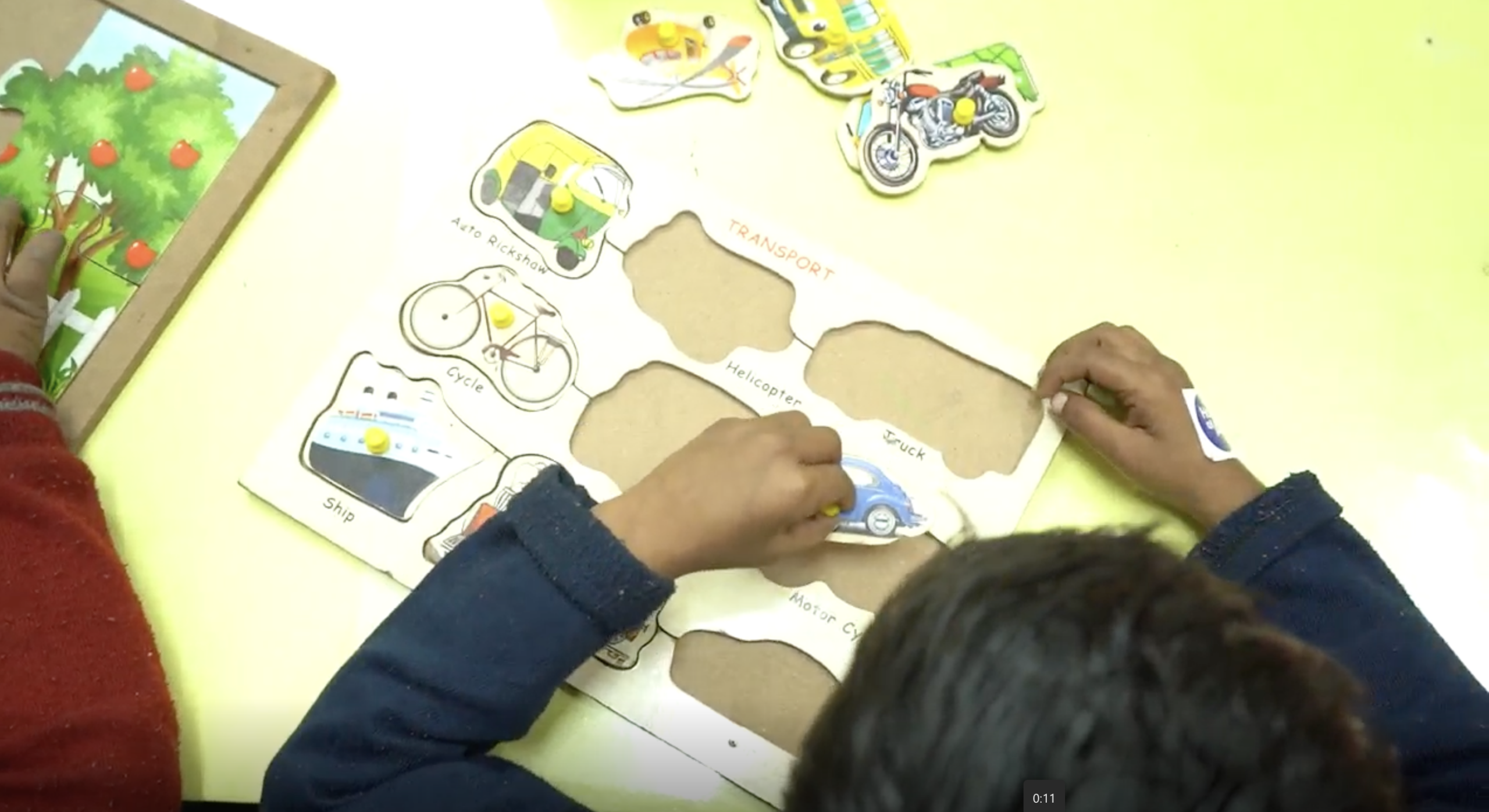
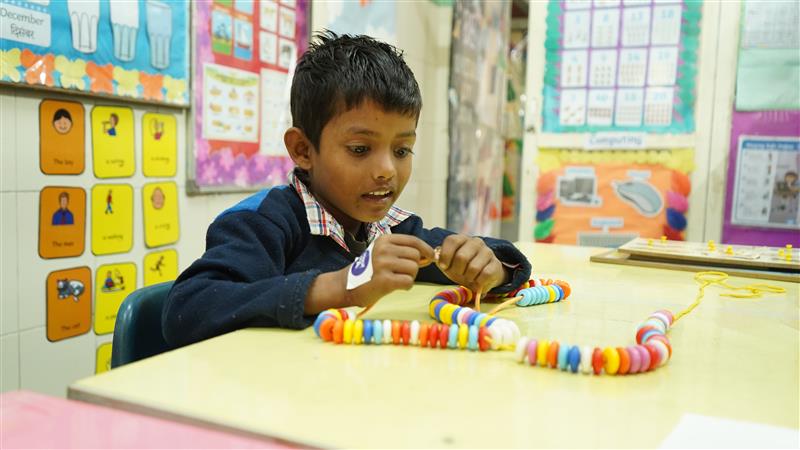
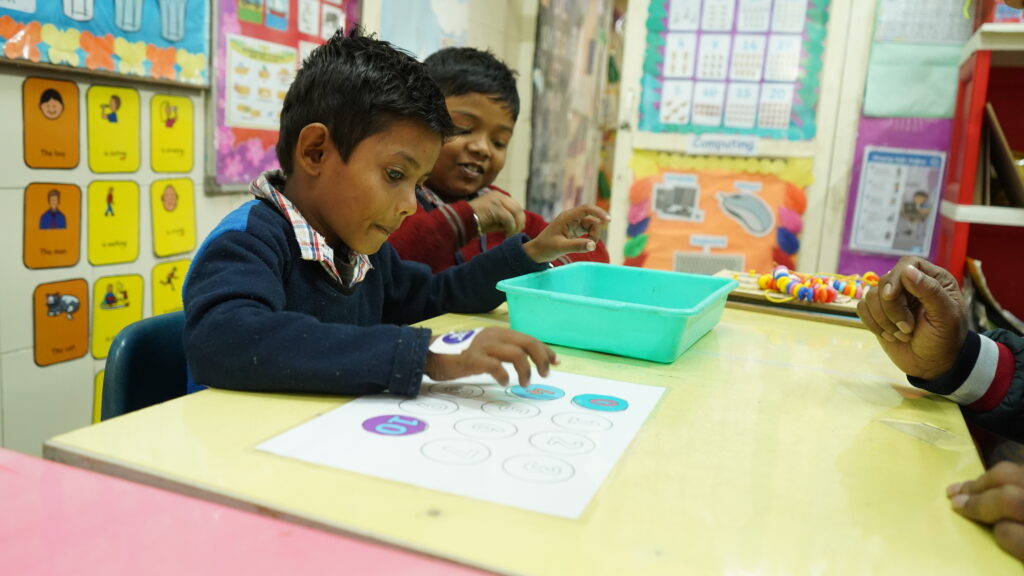
For children with special needs, teachers should go beyond textbooks and spoken explanations. Using objects, pictures, visual aids, and hands-on activities can make learning more meaningful. Involving the senses through touch, sight, sound, and movement helps children understand and remember lessons better.
At the same time, teachers themselves should receive proper training and guidance to support children with different learning needs. When educators are well-prepared and confident, they can create a more supportive and responsive learning experience for every child in the classroom.
Teacher training programmes by Peepul, implemented in its partnership schools, highlight the importance of continuous teacher training to improve inclusive classroom practices in government schools.
4. Encourage Peer Support and Buddy Systems
Many children learn better when they are playing and interacting with their friends. An inclusive education classroom should encourage peer learning, where students support and guide one another during activities, group work, and even after class. When classmates help each other learn, it builds understanding, friendship, and teamwork.
Teachers should motivate students to include children with special needs in games and classroom activities. Friendly support from peers can help them feel more confident and secure. It also makes the classroom feel welcoming rather than isolating.
Students should be encouraged to ask questions without fear and express their thoughts freely. When peers show patience and kindness, children with special needs are less likely to feel shy or judged. This support system can help them overcome their fear and participate more actively in learning.
5. Adapt Assessments and Participation Methods
Learning in the classroom should not be limited to reading textbooks, taking tests, and writing answers. Teachers should include a variety of creative and interactive activities that allow children to explore their ideas and express themselves freely. Activities such as storytelling, role-playing, drawing, group discussions, and project work can make learning more engaging and meaningful.
Instead of focusing only on memorisation, schools should introduce more value-based and open-ended assessments. Children should be given the freedom to share their thoughts and opinions in exams and classwork, rather than simply cramming and writing fixed answers. For example, they can be asked to rewrite the ending of a story in their own way or explain how they would solve a real-life situation.
Such practices encourage creativity, critical thinking, and confidence. They help children think beyond textbooks and develop original ideas. This approach not only supports children with different learning needs but also benefits every student in the classroom by promoting out-of-the-box thinking and self-expression.
6. Collaborate with Parents and Special Educators
Inclusion becomes more effective when teachers and parents work together. Regular communication helps teachers understand the child’s strengths, challenges, and progress. When parents share insights and teachers provide feedback, it creates consistency between home and school. This teamwork builds trust and ensures that the child receives the right emotional and academic support.
7. Build an Inclusive School Culture
Inclusion should not be limited to celebrations on April 2. Schools must continue promoting respect, empathy, and equal opportunities throughout the year. Activities, discussions, and school policies should reflect fairness and equal participation. When acceptance becomes a daily practice, children grow up understanding diversity as something natural and valuable.
Inclusion Is Not a Policy, It Is a Promise
Inclusion is more than a classroom strategy: it is a commitment to ensure that every child feels seen, heard, and valued. On World Autism Awareness Day, we are reminded that children with special needs do not require sympathy; they require understanding, patience, and equal opportunities to learn and grow.
When government schools create supportive environments, encourage peer involvement, adapt teaching methods, and promote awareness, they shape classrooms where differences are respected rather than judged. As an education NGO in India working closely with government systems, Peepul supports school leaders and teachers in building more inclusive and effective learning spaces.
Small steps taken by teachers every day can make a lifelong impact on a child’s confidence and future. True inclusion happens when children are not just present in the classroom, but actively participating, learning, and thriving. That is the kind of education system we must continue to build every single day.