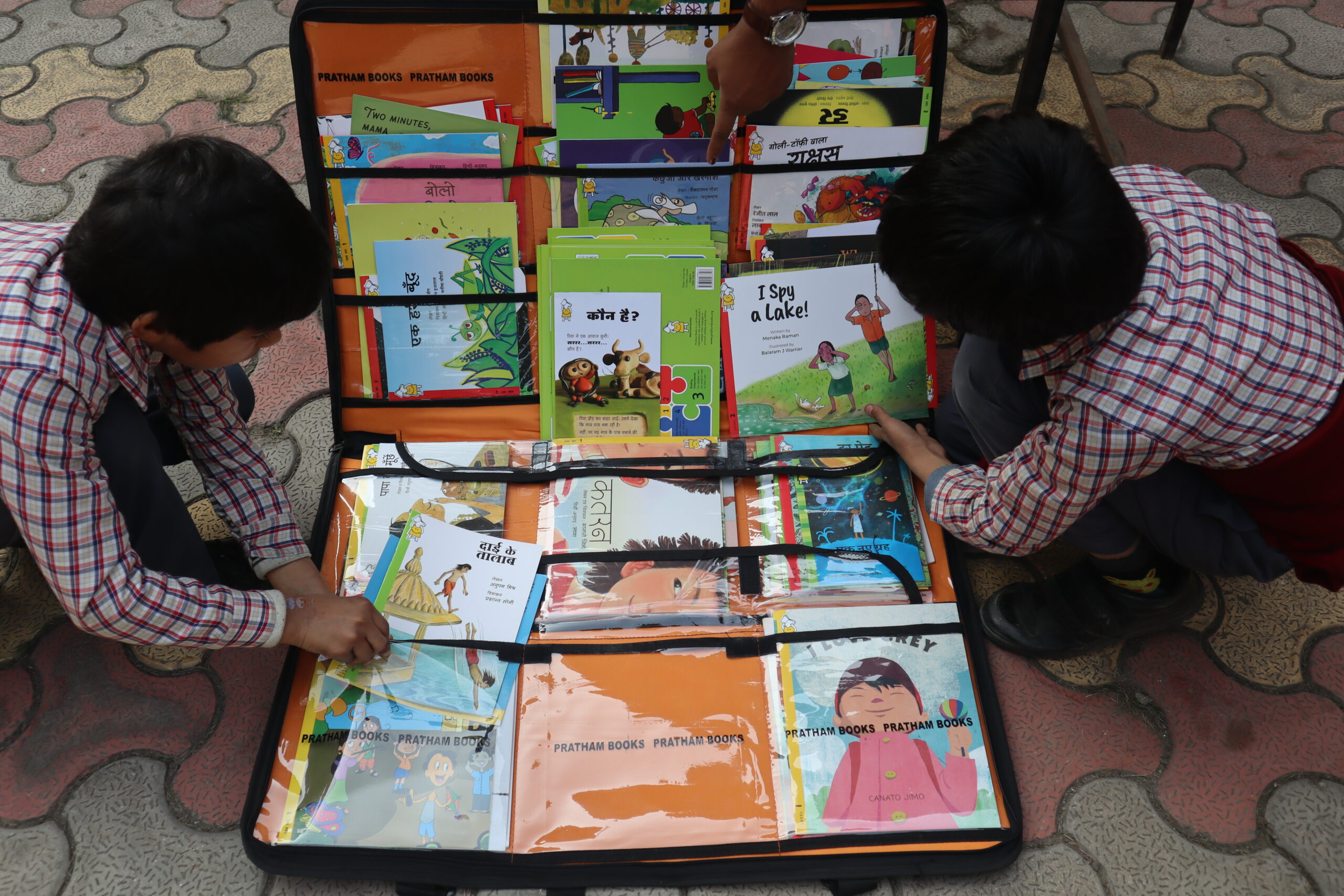
In many schools, learning is often limited to textbooks, tests, and routines. While this structure is familiar, it can restrict curiosity and deeper understanding. Encouraging children to read beyond textbooks can transform how they learn and engage with ideas. Reading makes it easier to understand, remember, and connect ideas. Children who develop a habit of reading often learn faster and with greater confidence.
Peepul is working with government schools to strengthen foundational learning. By supporting teachers and improving classroom practices, these efforts help create engaging learning environments where children are encouraged to read, ask questions, and explore ideas beyond their textbooks.
More importantly, reading does not just improve academic performance; it builds curiosity and imagination. When students start enjoying reading, they become more interested in both school subjects and literature.
An important moment to celebrate this love for reading is World Book Day, observed every year on 23 April. The day highlights the power of books to educate, inspire, and connect people across cultures. Schools can use this occasion to organise reading sessions, storytelling activities, book exhibitions, or student book clubs, helping children experience the joy of reading in a fun and engaging way.
To create this positive change, schools can adopt simple and practical strategies that help nurture a strong reading culture among students. Here are 10 simple ways schools can build a strong reading culture:
1. Create a Daily Reading Time
Building a habit starts by setting aside time for it regularly. To develop a strong reading habit among children, both teachers and parents need to encourage them consistently. Schools can dedicate a few minutes each day to silent reading, storytelling, or book discussions. At home, parents can introduce simple storybooks, ask children about what they read, and make reading a daily routine.
When children receive support both in school and at home, reading slowly becomes a natural and enjoyable part of their lives rather than a task. Taking these small but consistent steps can help build a reading culture in school and create students who are curious, confident, and eager to learn.
2. Set Up a Classroom Reading Corner
Every classroom should have a small reading corner where children can pick up a book during free periods or lunch breaks. This gives them a positive way to use their time and encourages them to explore different kinds of books. A reading corner does not need to be expensive; even a small shelf with storybooks, newspapers, or magazines can make a difference.
Teachers can also include simple classroom reading activities such as sharing a favourite story, reading aloud in pairs, or discussing a short passage. These small efforts help children spend their time meaningfully instead of getting distracted. Over time, they begin to enjoy reading as a hobby rather than seeing it as a task.
3. Introduce Weekly Storytelling Sessions
Teachers can encourage reading by giving children the freedom to read anything they like: storybooks, short articles, comics, or even newspapers. At the end of the week, students can share what they have read with the class. They may talk about a full story or simply describe their favourite part. This activity helps them build confidence and improve their speaking skills.
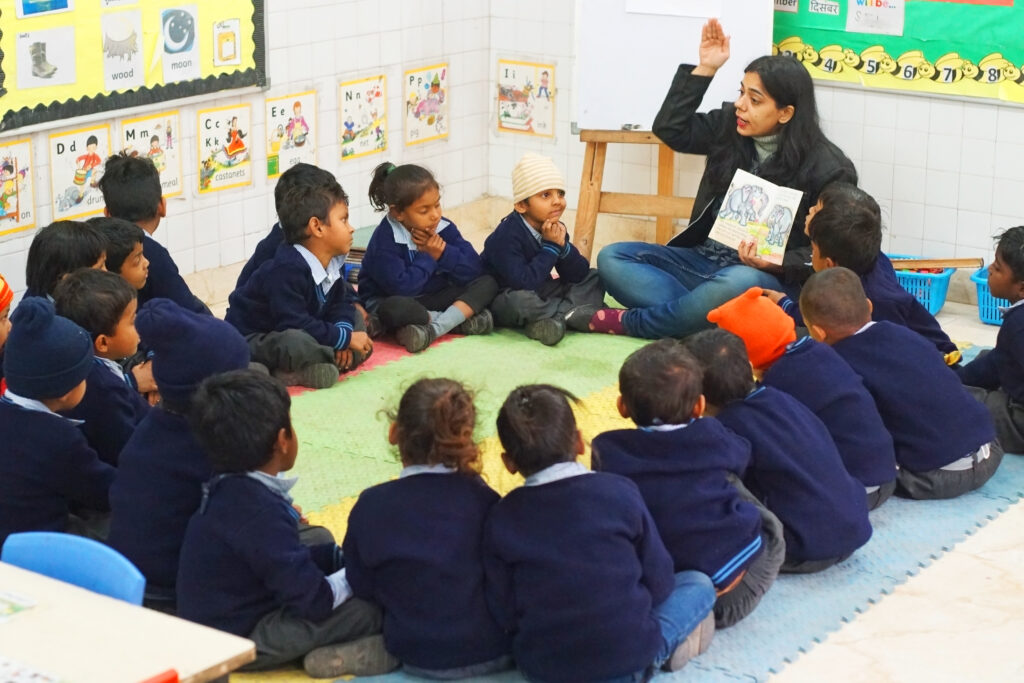
Small rewards, such as appreciation, certificates, or even simple treats like candies, can motivate children to participate actively. When students feel excited about sharing and being recognised, they become more interested in reading regularly. These simple and practical steps can gradually improve reading habits of students and help them see reading as something enjoyable rather than compulsory.
4. Start Peer Reading or Buddy Reading
Teachers can also organise group or peer reading sessions where students read together and discuss what they understand. This allows them to share ideas, ask questions, and build confidence while learning from one another. Such interactive methods improve vocabulary and help students use new words in conversations. These are simple tips to encourage reading in classrooms and make learning more engaging.
5. Organise Monthly Reading Challenges
Schools can introduce a monthly reading challenge to keep students motivated and excited. Each month, children can be given a simple goal, such as reading a certain number of pages, exploring a new genre, or finishing one book of their choice. At the end of the month, students can reflect on what they enjoyed most and share their learning with the class.
Recognition plays an important role in keeping the enthusiasm alive. Instead of focusing only on top performers, teachers can appreciate effort, consistency, and improvement. Displaying names on a reading board or giving small certificates can create a sense of achievement. Over time, these monthly challenges can turn reading into a regular and enjoyable habit rather than a one-time activity.
6. Involve Parents in Reading Habits
Teachers can also involve parents in building a reading habit. They can encourage parents to ask their children about their favourite genre, the kinds of stories they enjoy, or the characters they like most. When parents show interest in what their children are reading, it motivates them to read more at home.
7. Use Schools Library Periods Effectively
Schools should ensure that proper libraries are available with a variety of age-appropriate and interesting books. A well-maintained library encourages children to explore different topics and discover new interests. There should also be a separate library period in the timetable so that students get dedicated time to read without academic pressure.
During this period, children can quietly read books of their choice or participate in simple discussions about what they are reading. A structured library time supports foundational literacy in schools by strengthening reading skills from an early age. When students have regular access to books and enough time to read, their confidence and understanding naturally improve.
8. Display Student Book Reviews and Posters
Reading can be further strengthened by giving students opportunities to showcase what they have read. by giving them opportunities to showcase what they have read. Schools can create special boards or posters where students can display short reviews of the books they have completed. They can write about their favourite character, an important lesson, or why they would recommend the book to others.
Displaying these reviews in classrooms or corridors makes students feel proud of their efforts. It also inspires other children to read more and share their thoughts. When reading is celebrated openly in school, it becomes a meaningful and valued activity rather than just a private task.
9. Integrate Reading into All Subjects
Reading should be integrated into every subject so that students do not just read for language class but also understand and remember concepts from their entire syllabus. Teachers can include short passages, real-life examples, and small reading tasks in subjects like science, social studies, and even mathematics. This helps students connect ideas and improve their overall understanding.
When reading becomes a part of all subjects, it strengthens comprehension and makes learning more meaningful. Such practices help develop a reading culture that government schools can sustain, where reading supports both academic success and long-term learning.
10. Celebrate Reading Days and Literary Events
Schools should organise special celebrations to encourage students to read more. Events such as World Book Day on 23 April and International Literacy Day on 8 September can be used to promote reading in creative ways. On these days, schools can arrange student development activities like storytelling sessions, book exhibitions, reading competitions, or character dress-up activities.
Such school reading programme ideas make reading exciting and memorable for children. When students associate books with fun events and positive experiences, they are more likely to develop a lasting interest in reading.
Small Changes Make a Huge Difference.
Building a strong reading culture does not always require large budgets or complicated programmes. Simple steps like daily reading time, storytelling sessions, classroom reading corners, and meaningful library activities can gradually spark students’ interest in books. When teachers consistently create a supportive classroom environment where reading is encouraged and celebrated, children begin to see books as a source of enjoyment rather than just part of their academic routine.
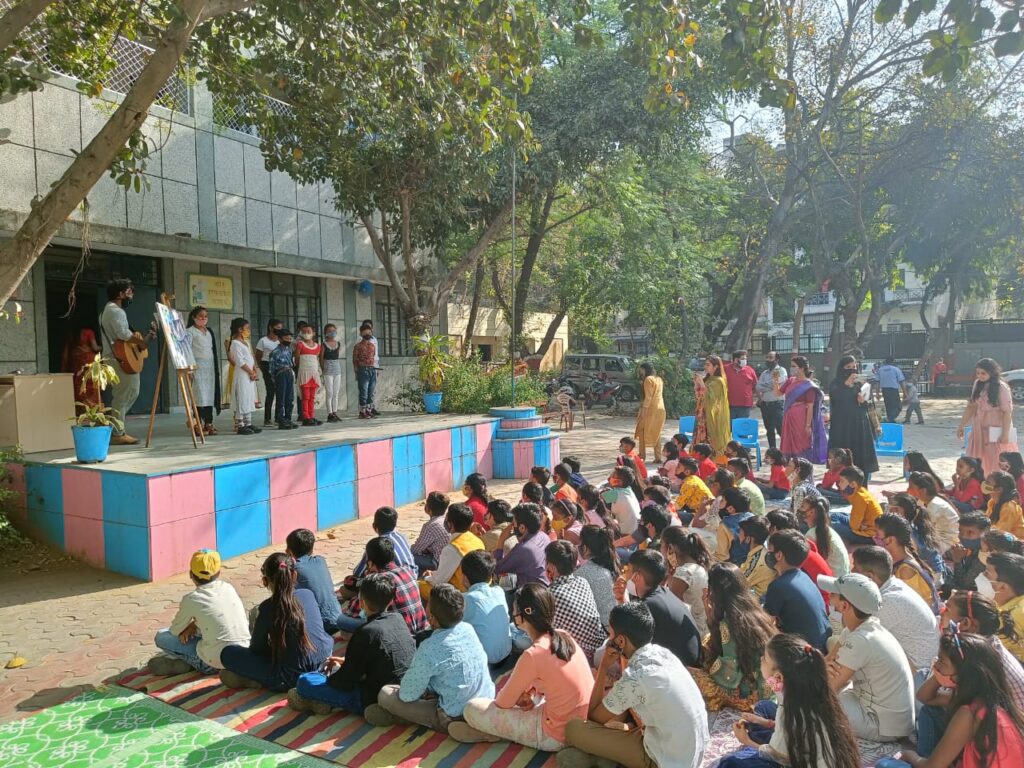
These small but consistent efforts also strengthen foundational literacy in schools by helping students improve comprehension, vocabulary, and confidence. Peepul is an Education based NGO that focuses on foundational learning and numeracy, which emphasises creating engaging classrooms where children actively participate in reading, discussion, and exploration. By supporting teachers and improving classroom practices, literacy initiatives can become a natural part of everyday learning.
When schools, educators, and organisations work together to prioritise reading, they create an environment where children develop curiosity, stronger literacy skills, and a lifelong love for learning. Over time, these simple changes can make a meaningful difference in how students experience education and build their futures.