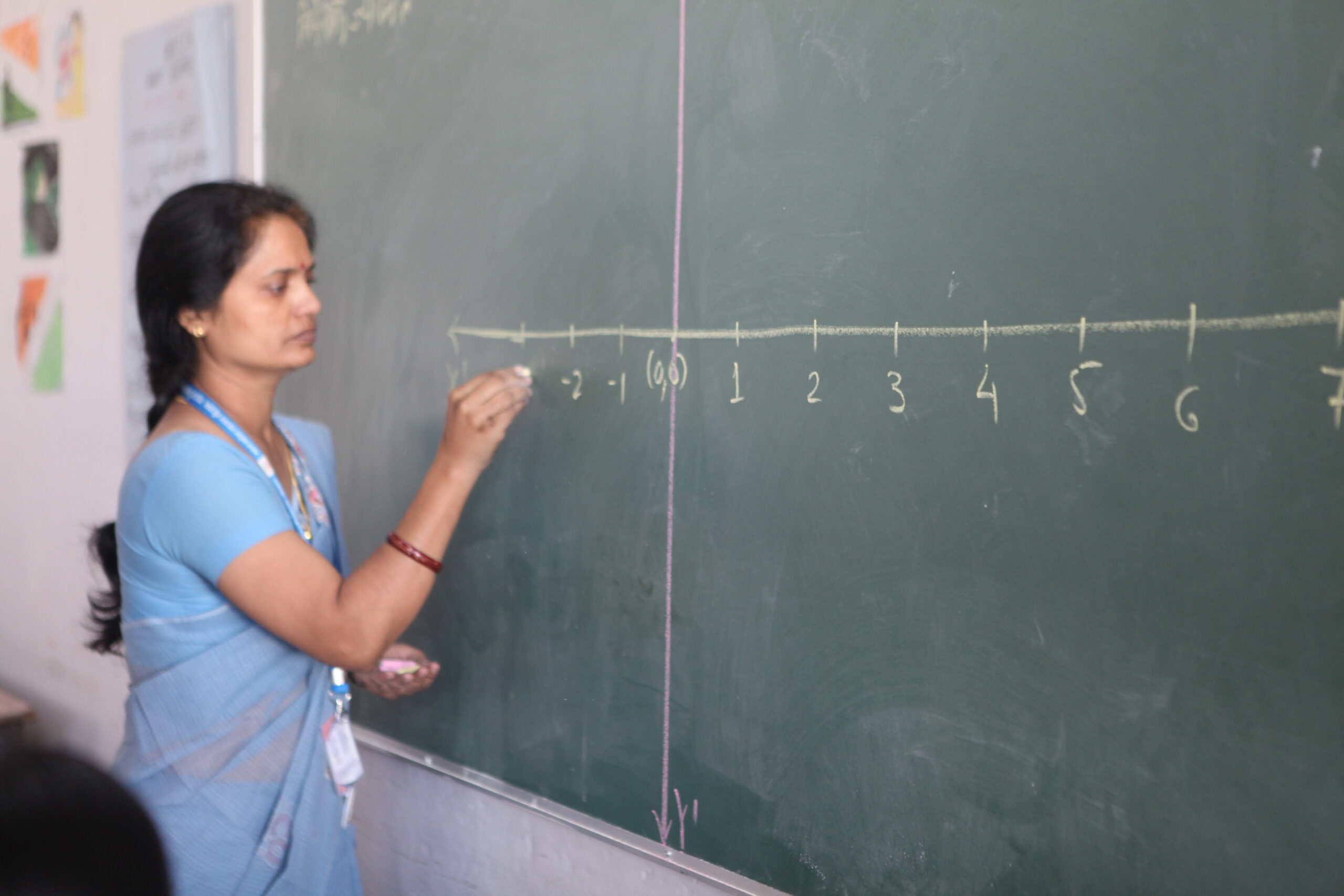

Imagine a student named Ravi in Grade 6. He spends hours staring at his math homework. Not because the concept is hard, but because he still struggles with simple multiplication. He tries to read his science textbook, but the long paragraphs blur together. He can read the words, but he can’t grasp the meaning. Ravi is not lazy or unintelligent; he simply missed the essential building blocks back in Grade 2.
This is the hidden crisis of education in India. We often focus on high school results and university admissions, but the true failure often starts much earlier. Let’s explore the silent, yet devastating, price we pay when we neglect foundational skills in education: basic literacy and numeracy. And why we at Peepul we are focusing on fixing this base to achieve quality education in India.
Why Basic Skills Are The Core Skills For Student Success?
Foundational skills are often misunderstood. They are not merely subjects; they are the fundamental tools for all future learning.
Literacy is more than just sounding out letters. It’s the ability to read, comprehend, and think critically about a passage. Without this, complex subjects like history or economics are inaccessible.
Numeracy goes beyond simple addition. It is the ability to reason logically with numbers, which is essential for problem-solving in science, budgeting at home, and navigating the digital world.
These core competencies represent the importance of foundational skills. They are the non-negotiable essential skills for lifelong learning, which enable a child to teach themselves anything, anywhere, long after they leave the classroom.
The Immediate Cost
When a child enters Grade 3 without the ability to read a simple paragraph or handle basic two-digit subtraction, the learning gap instantly emerges.
They are pushed into a curriculum they cannot access. Instead of learning to understand, the child is forced into a Rote Learning Trap. It means memorising facts without knowing their meaning, leading to fragile knowledge that breaks under pressure. The child may pass the grade, but they haven’t mastered the material. This immediate struggle demands strengthening the student foundation at the right time to prevent permanent setbacks.
The Long-Term Educational & Psychological Setbacks
This early gap becomes a chasm by secondary school.
For Ravi, the struggle with multiplication turns into a complete block in algebra. The inability to comprehend texts makes complex social studies or physics lessons feel like reading a foreign language. The problem is no longer the new topic; it is the failure of the foundation.
This spiral of struggle often leads to frustration, a crippling loss of confidence, and ultimately, becomes a Dropout Catalyst. Neglecting these basics erodes the path to core skills for student success. This often results in young adults who feel incapable and are cut off from higher education pathways.
The Societal Cost – Economic and Civic Burden
The consequences extend far beyond the classroom, landing squarely on society.
When young people leave the educational system without functional literacy and numeracy, their Workforce Preparedness is severely limited. They struggle to read safety manuals, calculate change, or learn new skills required for modern jobs. This lack of essential skills limits individual job prospects and stunts national productivity. This is contributing to broader economic and social challenges across India. Weak literacy even affects basic Civic Engagement. It is the ability to understand public policy, health information, or government processes.
The Solution – Investing in the Foundational Skills
The good news is that the solution is clear: we must focus intensely on foundational learning in the critical early years (Grades 1-5).
This requires a strategic Shift in Focus, which is moving away from curriculum coverage and leaning toward ensuring mastery of the basics for every single student. This is the heart of The Peepul Approach. By partnering with state governments, Peepul works to strengthen teacher training, implement data-driven instruction, and create supportive learning environments where early mastery is the top priority.
It is a collective responsibility. We call on educators, policymakers, and civil society to actively contribute to literacy programmes and numeracy initiatives. Every investment here is an investment in a future where every child can truly unlock their potential.
Turning Hidden Costs into Public Investment With Peepul
The cost of letting a child fall behind in basic skills is not just a personal tragedy for that child; it is a profound burden on our nation’s future. When we prioritise foundational skills in education, we are not just teaching reading and math. We are investing in confidence, capability, and economic mobility.
We have the models and the drive to secure a better future. Let’s champion the cause of strengthening student foundations to build an equitable and prosperous India.
To learn more about how you can support initiatives focused on foundational learning and quality education in India, visit our website: Peepul.